Embracing Weeds: a Controversial Topic?
As a professional gardener, horticulturist, weed-puller, and general land labourer, I’m well aware of the sting of nettles. I’ve had my fair share of encounters with these plants—childhood memories of brushing against them, wincing at the burning sensation. Nettles are hardly a beloved plant in the garden, and most customers ask for them to be removed at the first opportunity. I completely understand this, especially if you have young children or a small garden where neatness and control are paramount.
But what if I told you that nettles actually have significant value in the garden? Here’s why we should reconsider their place:
- Nutrition – Nettles are edible and can be used in a variety of dishes, from soups to teas. They’re surprisingly nutritious, rich in vitamins and minerals.
- Medicinal – As someone who suffers from hay fever, I can personally attest to the benefits of nettle tea. While I still rely on my prescribed medication, the addition of nettle tea helps ease my symptoms. It’s a natural remedy that has been used for centuries.
- Biodiversity – Nettles are an excellent habitat for moths and butterflies, which rely on them for breeding and as a food source.
- Ornamental Value – While nettles are often seen as a nuisance, they actually have ornamental value. Not all nettles are the same; there are many species and varieties that can add beauty to your garden.
Let’s Explore a Few Nettles:
Urtica dioica – The Common Stinging Nettle

This is the dreaded nettle that most people want to banish from their gardens. It’s the one we’re all familiar with—the one that causes a sharp, burning sensation when brushed against. I completely understand why many people want to remove it, especially in smaller gardens or homes with children. However, if you have a larger garden with space to spare, I encourage you to keep a small patch. Nettles are an excellent way to enhance the biodiversity of your garden.
According to The Wildlife Trusts, stinging nettles are a crucial part of the garden ecosystem, supporting everything from caterpillars to birds. The more insects and pollinators you attract, the healthier your plants will be. Flora and fauna must work together, and nettles provide the perfect foundation for this balance. Urtica dioica is an herbaceous perennial, meaning it’ll come back year after year, and it can spread easily if left to set seed and it spreads via rhizomes and stolons. Besides its ecological benefits, nettles are highly nutritious. You can harvest the young tops for nettle soup, nettle tea, and countless other dishes. The BBC Good Food website provides plenty of recipes to help you get the most out of this green powerhouse (source: BBC Good Food – Nettle Recipes).
Lamium album – White Dead Nettle
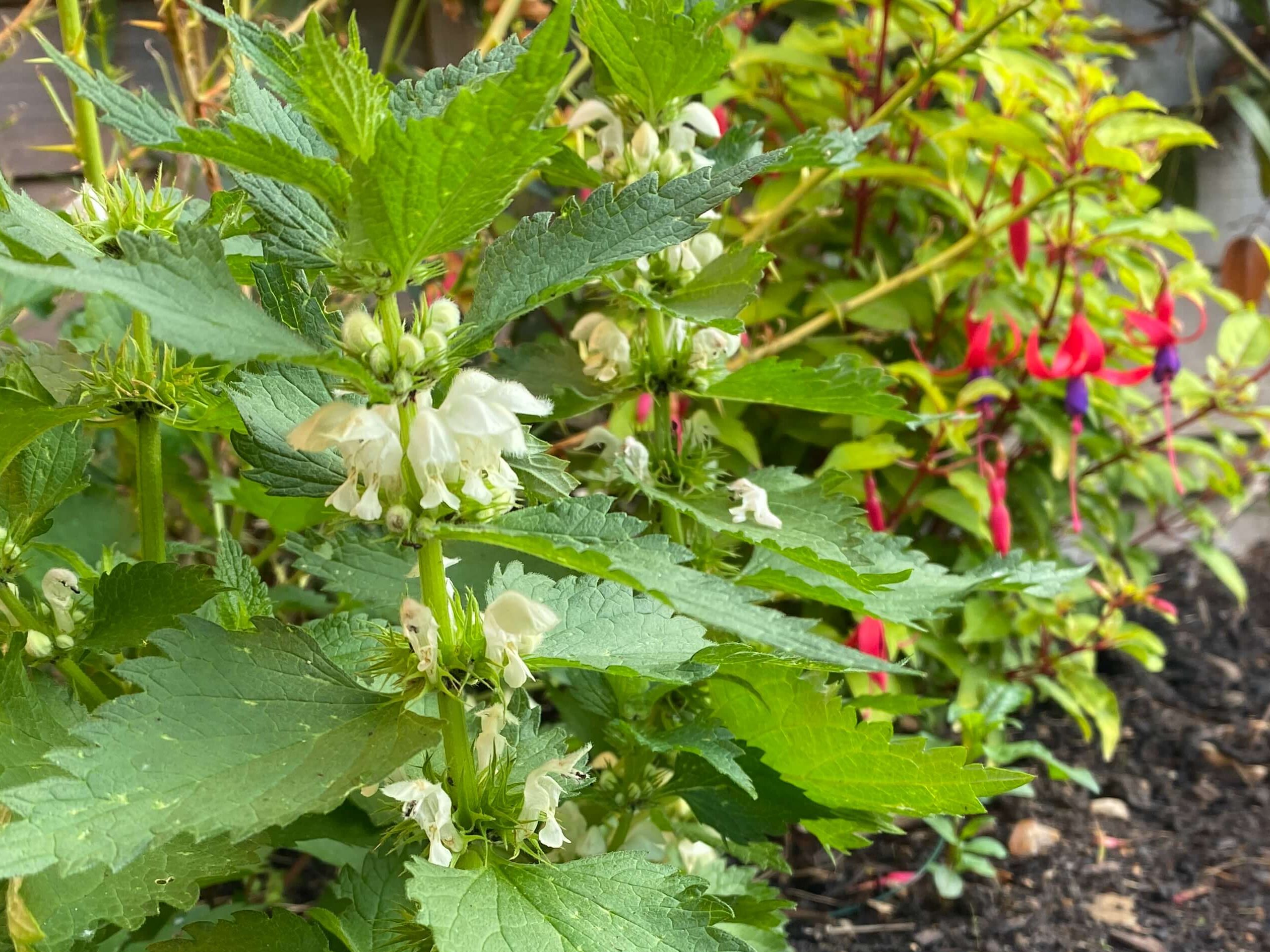
Another UK native, the White Dead Nettle, is often mistaken for its stinging cousin due to its similar appearance, but it’s completely harmless. This plant has much more ornamental value and is a great addition to a wildlife-friendly garden. It produces beautiful white flowers throughout spring and summer, making it a lovely addition to wildflower patches. White Dead Nettle is also beneficial for pollinators, attracting bees and butterflies. Plus, its leaves and flowers are edible, adding a fresh, mild flavour to dishes or teas.
Lamium maculatum – Spotted Dead Nettle
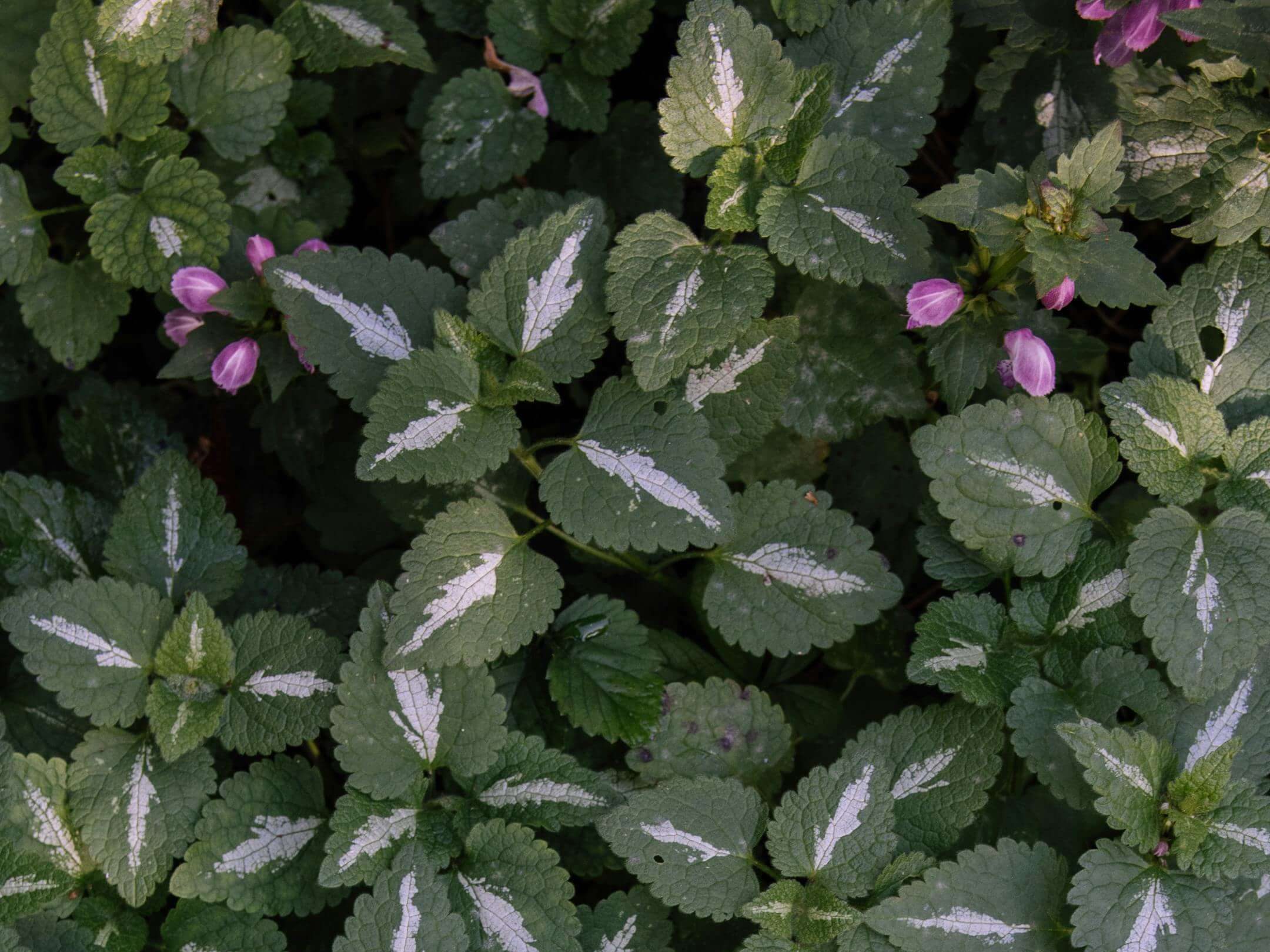
This variety of dead nettle is a fantastic ground cover plant, with variegated leaves and charming purple or pink flowers. It’s a valuable plant for shady areas, thriving in low-light conditions where other plants may struggle. While it doesn’t have the same wildlife benefits as its more stinging relatives, it still attracts some pollinators and provides a lush, vibrant ground cover. It’s also a great option for filling in areas where you want something a little less prickly but still a bit wild and natural.
A Final Thought
I fully appreciate that many gardeners prefer the traditional approach of keeping their garden neat and tidy. However, I would argue that it’s time we reconsidered the role of “weeds” in our gardens. Embracing plants like nettles and dead nettles can significantly improve biodiversity, provide food and shelter for wildlife, and even offer practical benefits for us humans—whether in the form of nutritious meals or natural remedies.
As gardeners, it’s our duty to ensure that our green spaces remain havens for wildlife, especially as urban sprawl continues to encroach on natural habitats. So next time you see a nettle in your garden, instead of pulling it up, perhaps think twice and consider what role it could play in your garden ecosystem.