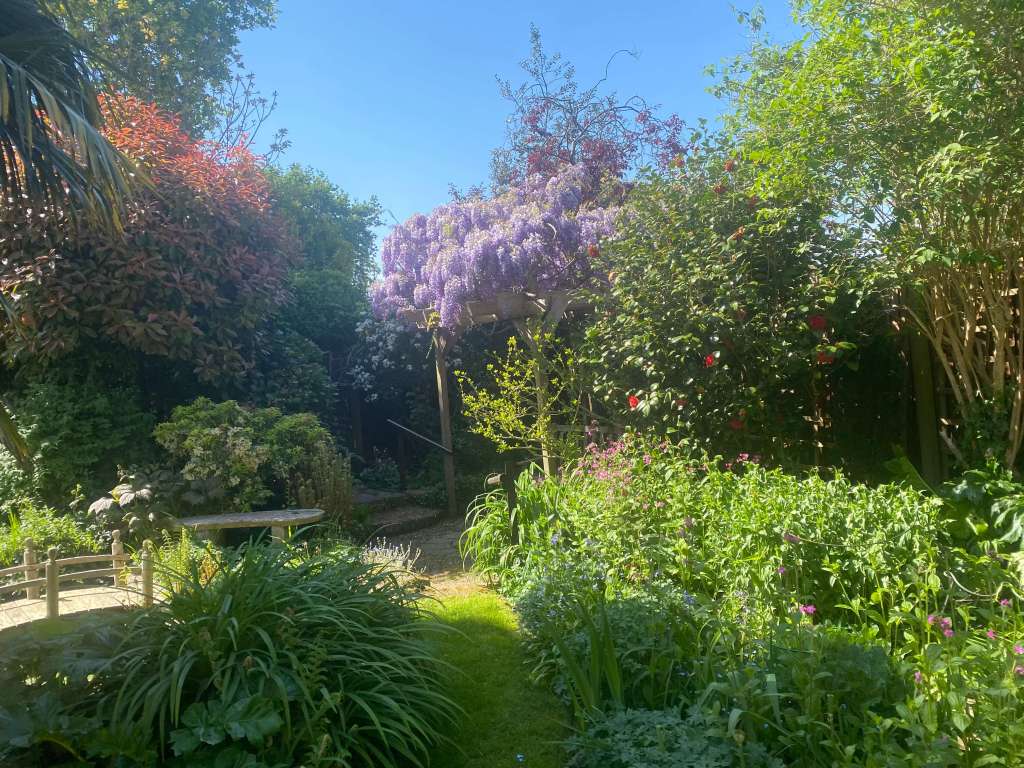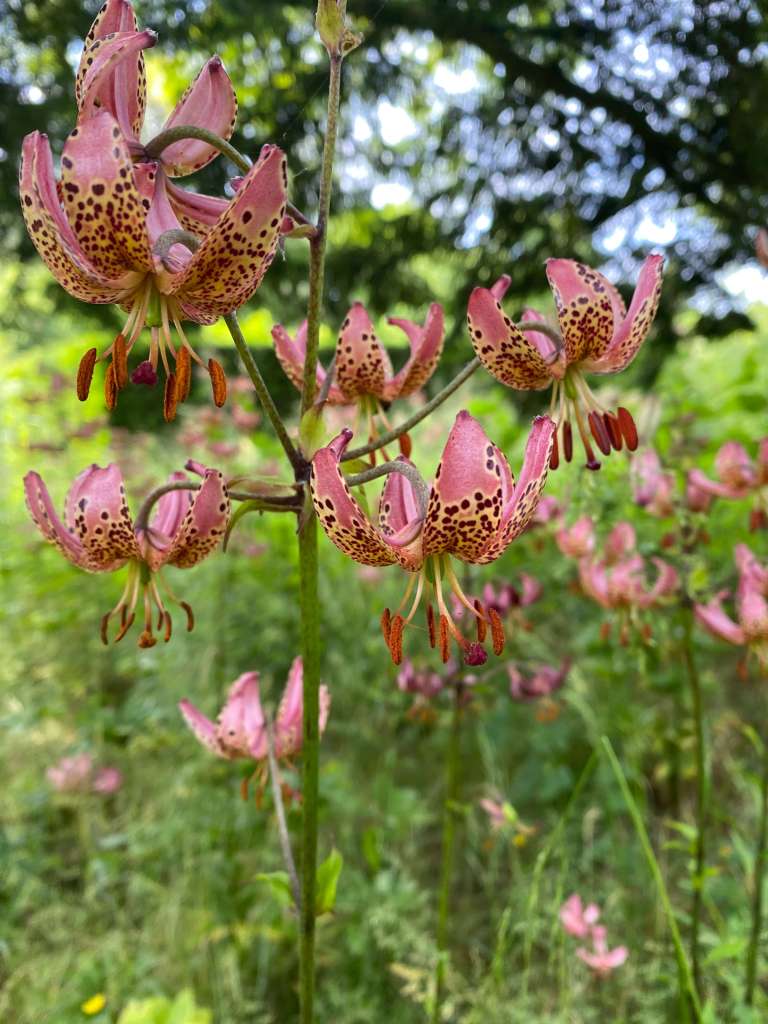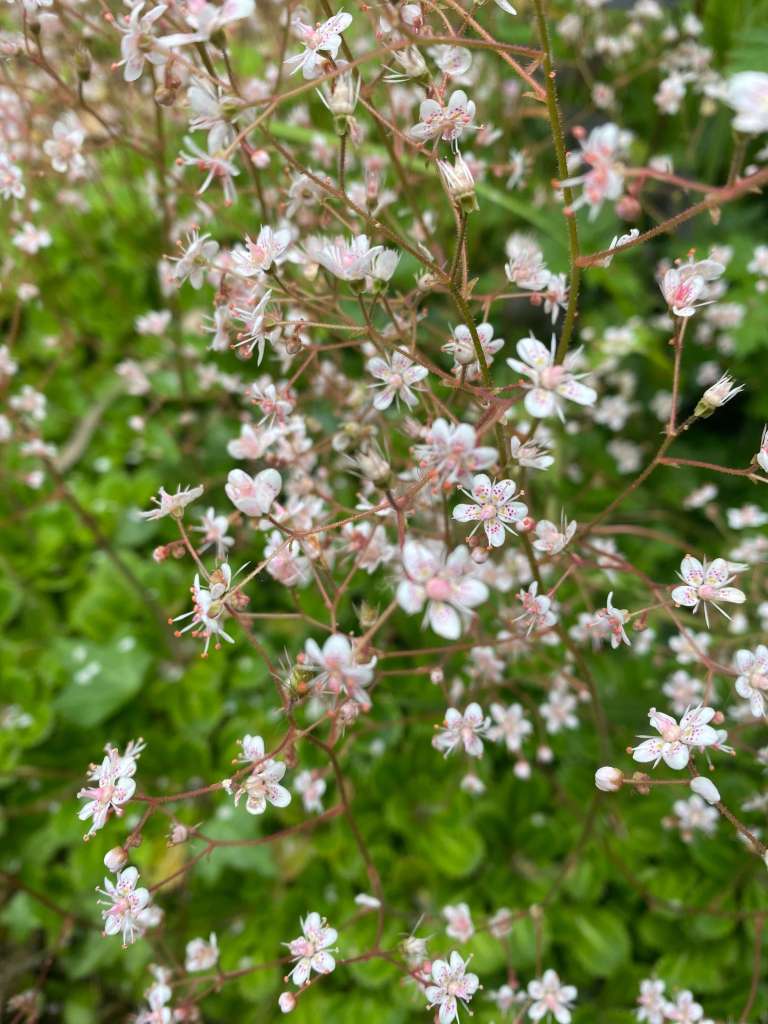
I’ve just sourced a new selection of plants from Knoll Gardens in Wimborne—one of my all-time favourite nurseries. They specialise in ornamental grasses and superb herbaceous perennials that are perfect for prairie-style planting and wildlife-friendly gardens. The quality of their plants is second to none. You can tell how well they care for their stock just by looking at the thoughtful layout of the nursery and the ornamental garden on site, where you can see the plants thriving in real conditions.
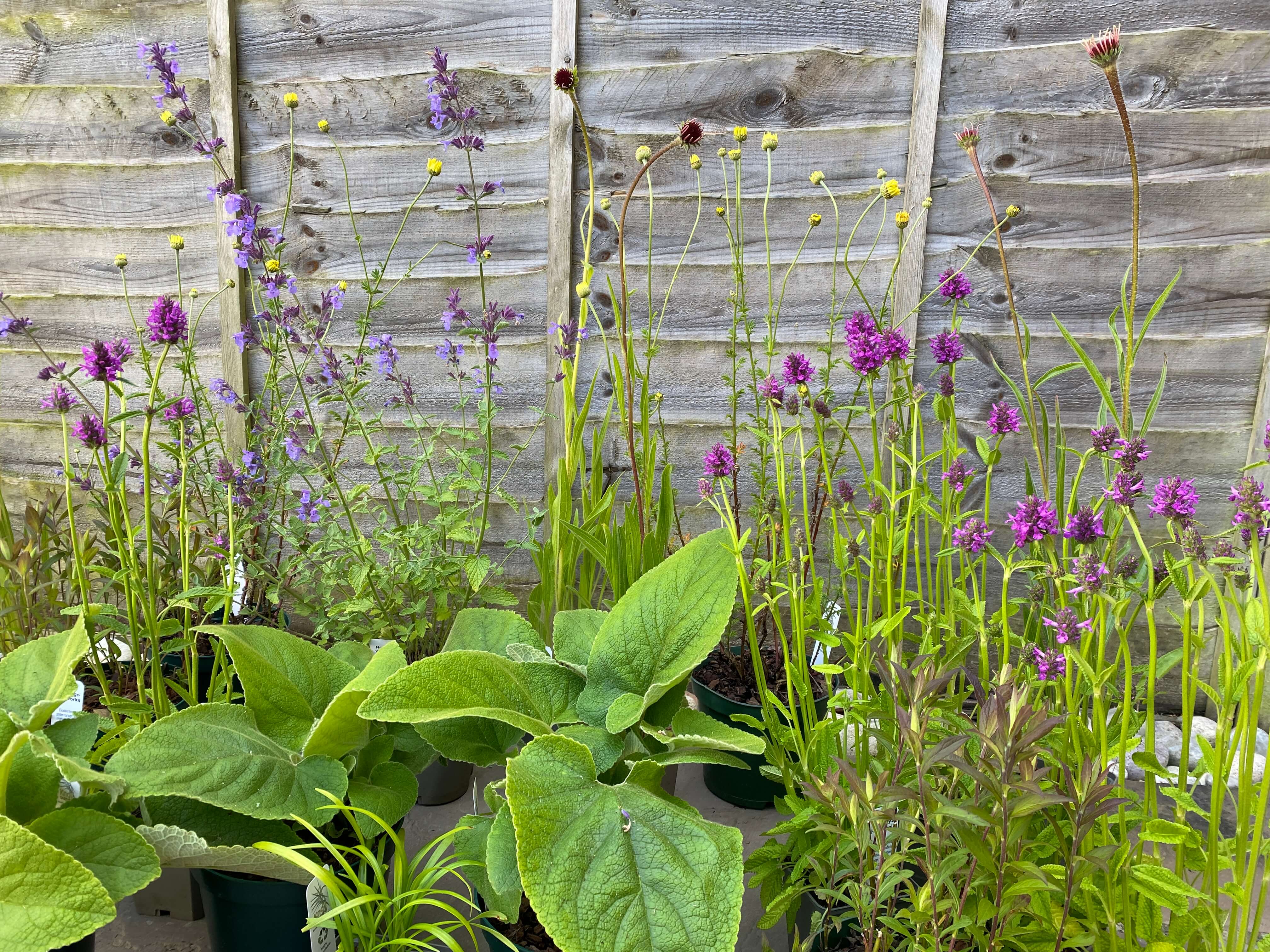
These particular plants are for a customer looking to fill in some gaps in an existing garden after a thorough weeding session. They already had plenty of spring colour from Rhododendrons, Azaleas, and bulbs, but wanted to extend the interest further into the season. The brief was to introduce colour and texture throughout summer, while also establishing groundcover and supporting pollinators.

As part of my planting and landscape design service, I source high-quality materials and create schemes that work with nature—designing gardens that are not only beautiful but bountiful.
Here’s the plant palette for this project:
- Phlomis russeliana – Architectural and long-lasting, with beautiful seedheads that persist into winter.
- Echinacea pallida – Graceful, pale coneflowers that attract pollinators and offer a more delicate look than their brighter cousins.
- Solidago rugosa ‘Fireworks’ – An airy goldenrod with arching sprays of yellow blooms; perfect for late summer impact. It’s also a non-invasive cultivar!
- Anthemis tinctoria ‘E.C. Buxton’ – Soft yellow daisies that flower generously and brighten up any border, continuing well into autumn.
- Stachys officinalis ‘Hummelo’ – Upright and tidy, with deep pink flower spikes and excellent wildlife value. This is a cultivar of the native variety (synonym Betonica officinalis). The name ‘Hummelo’ refers to the village in the Netherlands where Piet Oudolf’s famous garden is located (now closed to the public).
- Liriope muscari – A tough, evergreen groundcover with striking purple flower spikes in autumn.
- Nepeta racemosa ‘Walker’s Low’ – Low-growing, long-flowering catmint beloved by bees and perfect for softening edges.
This palette brings structure, texture, and seasonal colour to the garden, while supporting biodiversity and helping create a more resilient, low-maintenance planting scheme.