Today I’m going to give my expertise on commonly asked questions and hopefully teach you some more about the best garden practises. Lets jump right in!
Q1: When is the best time to prune?
This is a great question and one that varies widely depending on the plant. My advice would be early spring or late autumn. You don’t want to wait too late into the start of spring however
Q2: Can I cut back a bush/tree, if there is an active nest?
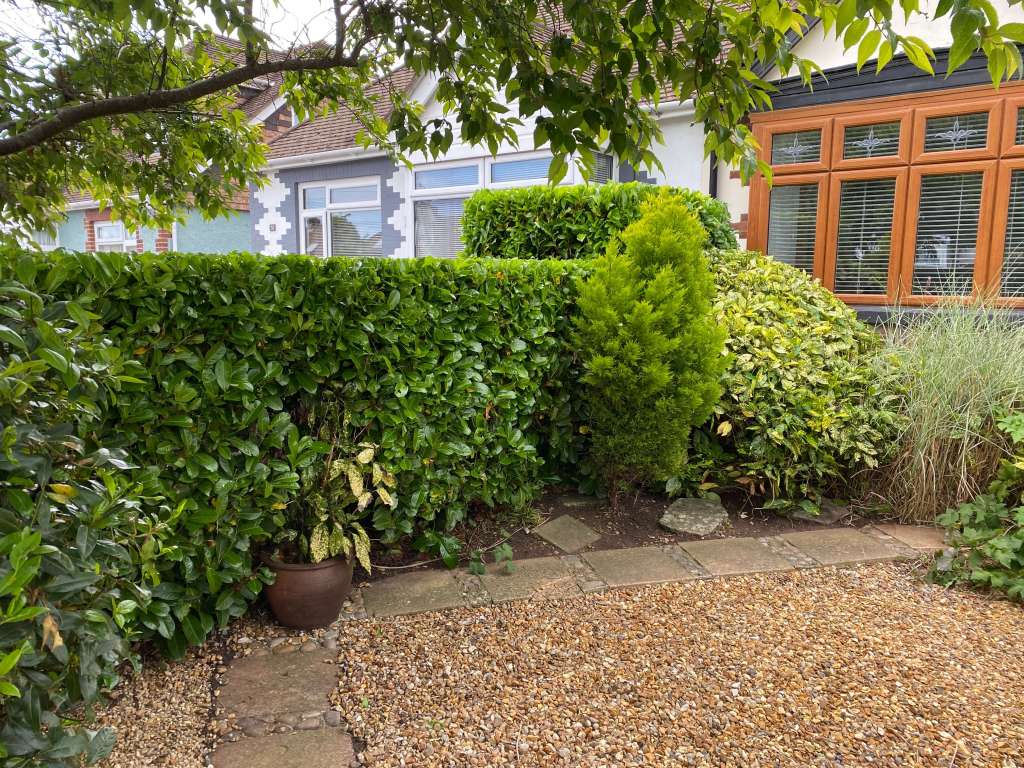
Early May is when a lot of people start thinking about cutting back new growth, and whilst trimming is not always a problem – remember to check for nests! It is illegal to disturb nesting birds, though unfortunately not everyone complies with the law. If you know a bird is nesting make sure your gardener is following best practises. Often you can delay the work for a few weeks, enjoy the wildlife and still have a beautiful garden.
Q3: What Should I Grow?
The first step in your gardening journey is deciding what to plant. Consider your climate, the space you have available, and your personal preferences. If you’re a beginner, starting with easy-to-grow plants is advisable. For vegetables, think about options like radishes, lettuce, or herbs such as basil and parsley. If you’re more inclined towards flowers, marigolds and sunflowers are great choices that flourish with minimal effort.
Q4: How Do I Start a Garden Bed?
Creating a garden bed can seem daunting, but breaking it down into steps simplifies the process. First, choose a location with plenty of sunlight (at least six hours a day) and good drainage. Next, prepare the soil by removing any weeds and rocks. You can use a spade or shovel to till the soil, mixing in compost or organic matter to enrich it. Aim for a depth of at least 12 inches to accommodate root growth. Finally, sketch out a plan of what to plant where for optimal spacing and growth.
Q5: How Often Should I Water My Plants?
Watering needs vary among different plants, so monitoring is essential. A good rule of thumb is to check the soil moisture. Stick your finger an inch into the soil; if it feels dry, it’s time to water. In most cases, watering early in the morning or late in the afternoon helps reduce evaporation. Aim for deep, infrequent watering to encourage strong root systems—about once a week is often sufficient.
Q6: What Are Common Pests or Diseases, and How Do I Handle Them?
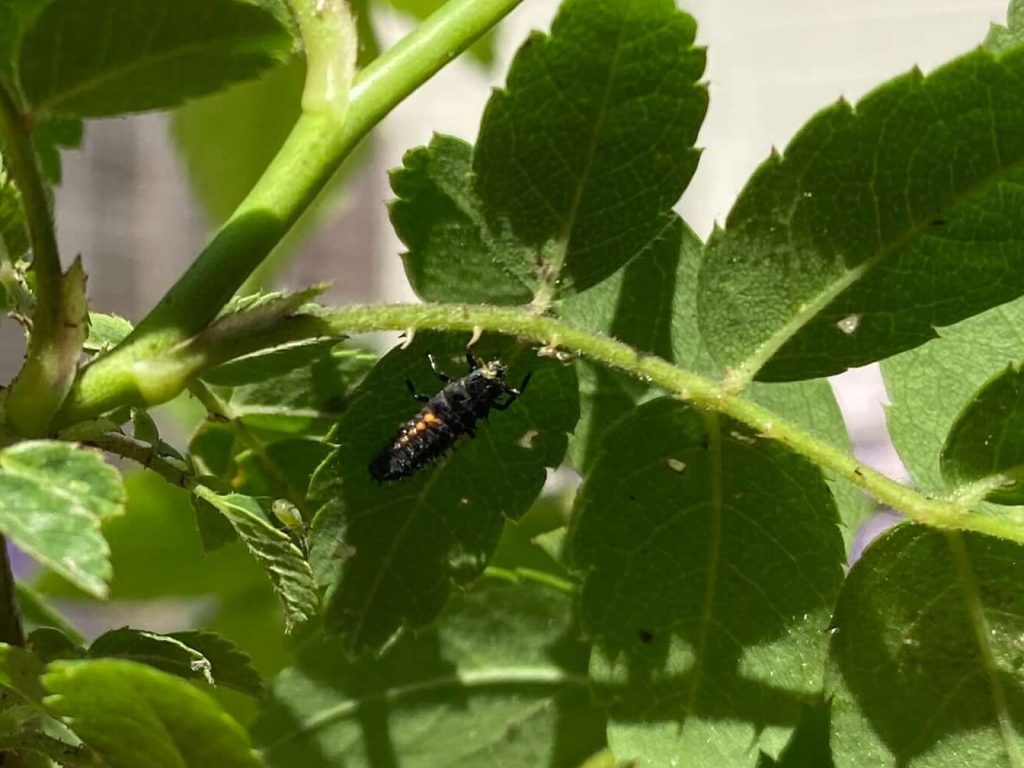
Monitoring your plants regularly will help catch any issues early. Common pests include aphids, slugs, and caterpillars. Depending on the severity, you can hand-pick pests, use insecticidal soap, or introduce beneficial insects like ladybugs. For diseases, look for signs like yellowing leaves or wilting. Ensuring good air circulation and proper spacing between plants can prevent many issues. If a disease appears, prompt removal of affected plants can often stop it from spreading.
Q7: When is the Best Time to Plant?
Timing is crucial in gardening. Generally, spring is the best time for most planting, particularly for vegetables and annuals. However, some crops, like garlic and onions, are best planted in the fall. Check your local frost dates to avoid planting too early. You can also reference planting calendars specific to your region to optimise your planting schedule.
Q8: How Can I Maintain a Healthy Garden?
Regular maintenance will help keep your garden healthy. This includes weeding, which reduces competition for nutrients; mulching, which retains moisture and regulates temperature; and fertilising to provide essential nutrients. Additionally, rotating your crops each season helps prevent soil depletion and reduces the likelihood of diseases affecting your plants.
Gardening is a journey filled with both challenges and victories. Don’t be afraid to experiment and learn from your successes and setbacks; every gardener was once a beginner. We hope this quick guide helped and that you get to enjoy the gardening process soon – fingers crossed for the weather!